
Distinct Urban Profiles: Comparing Nagpur's Three Leading Residential Corridors
Choosing a residential address in an established city is rarely a decision based on price alone. It is a decision about daily patterns, proximity to commercial rhythms, the physical scale of the streetscape, and the community that surrounds your home. While outlying suburbs are defined by new construction and ongoing infrastructure development, Nagpur's central residential pockets have long-established identities.
Civil Lines, Byramji Town, and Wardhaman Nagar represent three distinct modes of living within the city. Each pocket commands significant residential interest, yet they cater to entirely different preferences regarding density, commercial integration, and daily mobility. Understanding how these micro-markets operate on a practical level enables prospective buyers to align their choice of neighbourhood with how they actually live.
Civil Lines: Institutional Quiet and Broad Streetscapes
Civil Lines stands as Nagpur's administrative and institutional core. Characterised by government offices, broad avenues, older bungalow plots, and mature tree cover, the area maintains a low-density atmosphere that sets it apart from the rest of the municipality. The visual identity of the precinct is defined by deep setbacks, heritage administrative structures, and a canopy of established green spaces.
Housing stock here is transitioning. What was historically a neighbourhood of expansive single-family bungalows is evolving into a market of low-rise, large-format residential apartments. Buyers attracted to Civil Lines are typically senior professionals, corporate executives, and multi-generational families who prioritise privacy, quiet evenings, and civic prestige over immediate access to bustling commercial markets. Daily life is unhurried, with low traffic volumes outside of standard government office hours.
The primary drawback of Civil Lines is its lack of immediate, walkable retail convenience. Because the area is strictly zoned around administrative functions and low-density residences, everyday commercial amenities such as high-street retail, neighbourhood grocery markets, and casual dining require driving to adjacent commercial districts. Furthermore, redevelopment opportunities are tightly regulated, resulting in a limited supply of new residential inventory.
Byramji Town: Affluent Residential Density and Urban Connectivity
Positioned to the north of the central core, Byramji Town is an established affluent residential area known for large private plots, low-rise density, and immediate access to key arterial roads. Unlike the quiet administrative character of Civil Lines, Byramji Town presents a refined residential environment that sits in close physical contact with the city's commercial life.
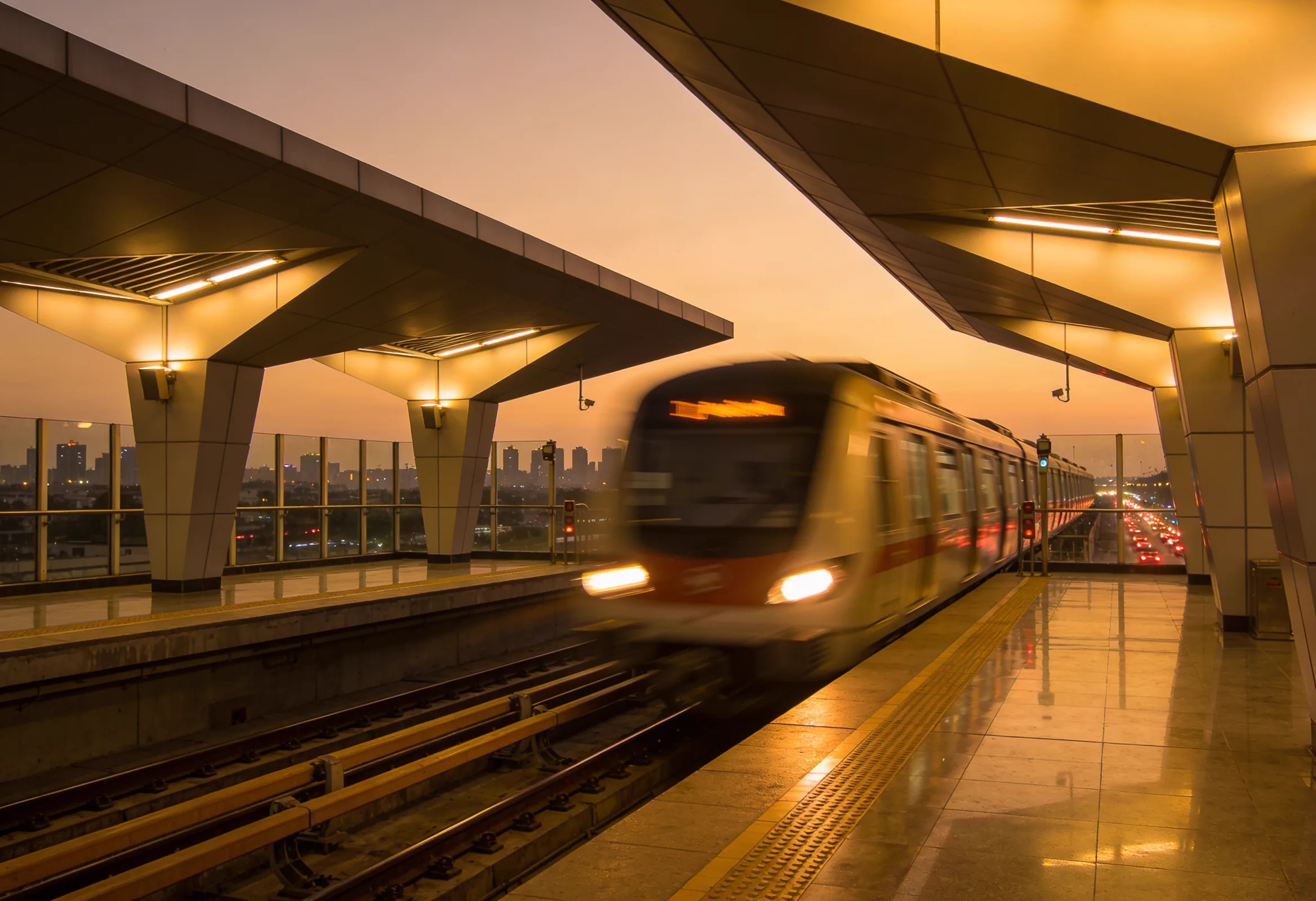
The housing profile consists primarily of boutique multi-family residential developments, custom independent houses, and modern mid-rise apartment towers. Buyers who choose Byramji Town are often established business owners, private medical practitioners, and corporate leaders who desire a central address with immediate urban convenience. Daily life revolves around a well-connected network of quiet interior lanes that open onto active secondary streets. The operational Nagpur Metro serves this belt directly, with Kadbi Square metro station providing rapid transit connections toward Sitabuldi Interchange, the network's central transfer point.
The trade-off in Byramji Town comes in the form of surrounding traffic density and reduced plot privacy. As the broader northern corridor has developed, arterial roads bordering the neighbourhood experience heavy daily transit volumes. Interior streets that were originally designed for low-density housing now navigate higher parking pressure and increased vehicle movement during peak hours.
Wardhaman Nagar: Commercial Vitality and Eastern Integration
Situated on the eastern side of the city, Wardhaman Nagar, alongside South Wardhaman Nagar, represents an established residential area deeply integrated with trade, commerce, and industrial enterprise. It is a neighbourhood defined by high energy, active streetscapes, and a strong sense of local commercial community.
Housing stock in Wardhaman Nagar features a mix of traditional family homes, densely built independent houses, and modern multi-storey residential complexes. The buyers here are predominantly trading families, industrial entrepreneurs, and business owners whose enterprise operations align with the eastern commercial hubs. Daily life is vibrant and active, with commercial establishments, traditional markets, and family-owned businesses sharing immediate physical space with residential entrances.
The limitation of Wardhaman Nagar lies in its high urban density and continuous commercial activity. The boundary between residential peace and commercial noise is thin. Vehicle congestion, street-side parking constraints, and active delivery logistics are permanent fixtures of daily life, making it less suitable for buyers seeking quiet, insulated residential enclaves.
A choice between these three addresses is rarely about finding the superior neighbourhood, but rather about matching spatial density with daily lifestyle expectations.
Framework for Selection: Aligning Personal Routine with Address
Deciding between these three micro-markets requires an honest assessment of your daily routines, commuting habits, and tolerance for urban activity.
Choose Civil Lines if your priority is spatial quiet, mature greenery, low residential density, and an address defined by institutional prestige, accepting that everyday retail conveniences will require short vehicle trips.
Choose Byramji Town if you require a central, highly accessible location with modern multi-family housing, excellent mass transit access via the metro grid, and immediate proximity to city services, acknowledging the trade-offs of higher surrounding traffic and increased lane density.
Choose Wardhaman Nagar if your daily life thrives on commercial vitality, active community networks, direct alignment with the city's eastern economic zones, and immediate access to high-street trade, understanding that peace, quiet, and low-density seclusion are not the primary features of this precinct.
Long-Term Neighbourhood Dynamics
As Nagpur continues its planned expansion under the Phase 2 metro developments and ongoing infrastructure upgrades, these three neighbourhoods will retain their core spatial identities. Evaluating each pocket based on physical layout, daily friction, and spatial character ensures that your selection remains functional and comfortable for years to come.
Kukreja Infrastructures has been developing residential and commercial real estate projects across Nagpur for fifteen years, building within established central precincts and emerging growth corridors across the city.