
Structural Access: How Mass Transit Reshapes Residential Preferences
Urban real estate valuation is fundamentally governed by accessibility. When high-capacity mass transit enters a growing city, it alters the relationship between geographic location and daily commute times. Neighbourhoods that once felt distant from central commercial districts become viable choices for homebuyers, while established urban centres gain renewed demand due to seamless civic connectivity.
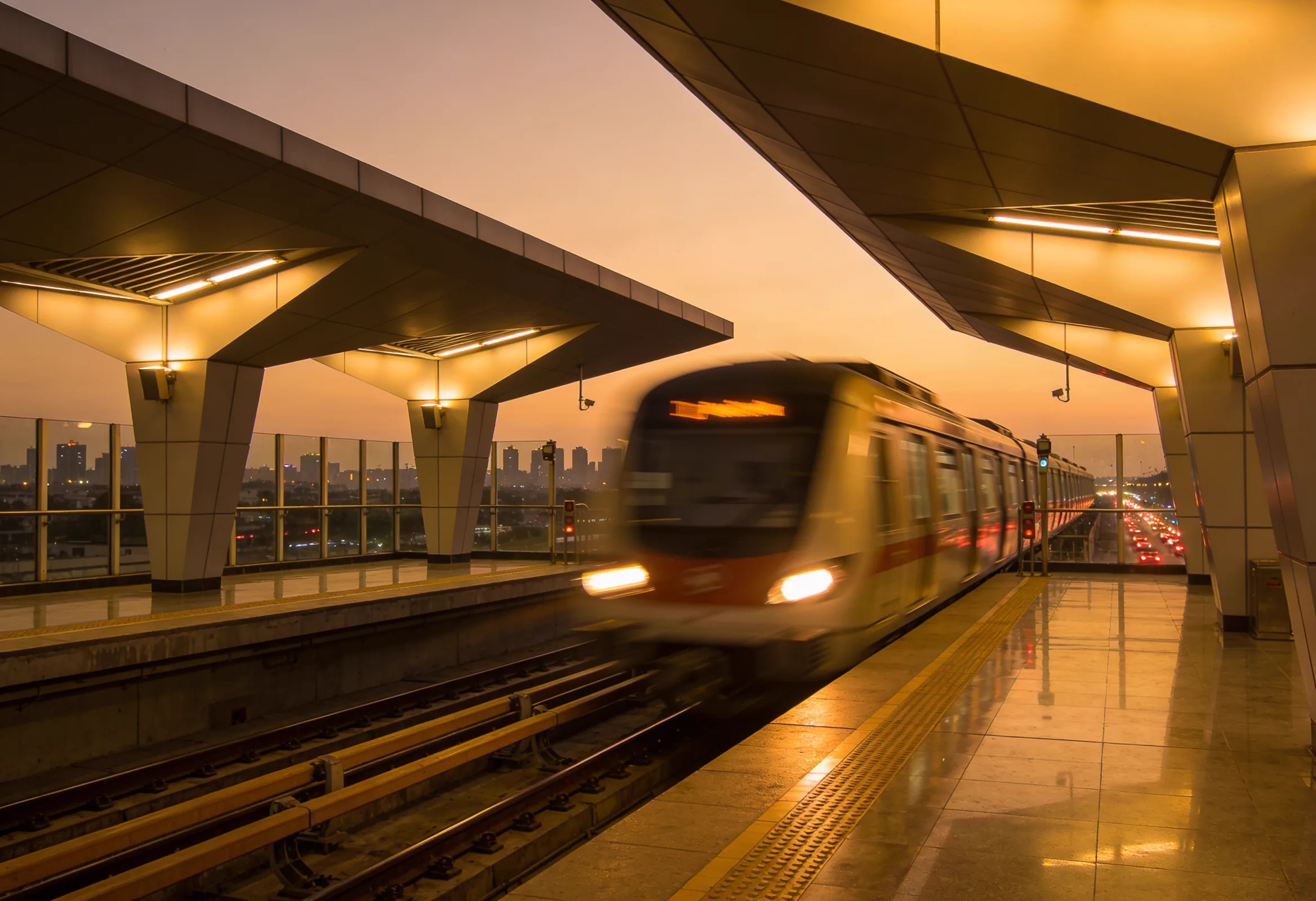
The Nagpur Metro is operational, with a Phase 2 expansion underway that is among the largest planned in Tier-2 India. As this transit infrastructure expands across municipal boundaries, it is systematically altering how residents move across the city and how investors evaluate individual micro-markets. Understanding the mechanics of transit-oriented urban growth is essential for buyers evaluating residential options across Nagpur.
Redefining Commute Boundaries and Residential Choice
In an expanding municipality, the quality of a residential address is closely tied to daily transit friction. Prior to mass rapid transit, buyers typically prioritised housing options within immediate physical proximity to their workplaces, commercial hubs, or educational institutions, often accepting trade-offs in apartment size, open spaces, or neighbourhood density.
Mass transit removes this constraint by providing predictable, schedule-driven travel times across urban corridors. A professional working in a corporate office or industrial facility can comfortably reside in a distinct residential neighbourhood without enduring unpredictable road congestion. According to figures presented to the Maharashtra Assembly in 2026, 1.27 lakh jobs have been created at the MIHAN special economic zone. The presence of key transit nodes, such as Khapri station serving the enterprise belt and Airport station linking air transit, enables this expanding corporate workforce to access established residential areas across the city. As a result, homebuyers can prioritise layout design, building amenities, and neighbourhood character over immediate workplace proximity.
The Nagpur Metro is operational, with a Phase 2 expansion underway that is among the largest planned in Tier-2 India.
The Economics of Interchange Hubs Versus Line Stations
While the addition of any transit stop improves local accessibility, not all stations exert the same economic influence on their immediate surroundings. Urban planners distinguish between standard line stations, which serve localised boarding needs, and major interchange hubs that connect multiple transit corridors.
Major transfer nodes, such as Sitabuldi Interchange, function as high-density urban anchors. Because these hubs handle intersecting commuter streams, the surrounding land experiences intensified demand for retail, hospitality, and commercial services. Residences located near major interchange nodes enjoy multi-directional connectivity across the entire network, making them highly resilient from an end-user perspective. Conversely, standard line stations like Kadbi Square provide dedicated local access, enhancing neighbourhood convenience without generating the heavy commercial transit volumes typical of central transfer hubs.
Commercial Spillover and the Evolution of Street Life
The introduction of a mass transit station does more than move people; it transforms the street-level economics of the surrounding neighbourhood. As daily pedestrian footfall concentrates around station entrances, local retail environments adapt to meet commuter demand.
Established residential areas such as Civil Lines, Byramji Town, Wardhaman Nagar, Shankar Nagar, Ganeshpeth, and Nandanvan experience subtle commercial shifts as transit lines integrate into their streetscapes. Ground-floor retail, convenience stores, professional offices, and healthcare clinics cluster near station plazas to serve daily footfall. According to research published by JLL in 2025, Grade-A office stock is projected to grow 26% by 2027. This broader expansion of corporate and commercial space is supported by transit corridors that link decentralised commercial nodes directly to residential communities, enhancing convenience for local residents while strengthening precinct land values.
Macro Context: Urban Growth Trajectories
The expansion of civic infrastructure reflects broader economic momentum across central India. High-capacity transit projects are planned and executed in response to sustained population inflows and long-term economic expansion.
According to Oxford Economics, Nagpur is projected the 5th fastest-growing city economy in the world, at 8.41% GDP growth from 2019 to 2035. This economic growth provides the underlying demand necessary to support major infrastructure investments. As municipal boundaries expand and commercial corridors mature, mass transit ensures that urban density remains manageable, preserving liveability while enabling multi-nodal economic development across the region.
Evaluating Frictions: Noise, Density, and Execution Risk
While mass transit brings substantial urban benefits, prospective buyers must evaluate site-specific frictions and execution realities before selecting a property based on transit access. Proximity to a transit corridor carries distinct trade-offs that require careful consideration.
First, immediate proximity to an elevated station or rail alignment can introduce localised noise, privacy considerations, and increased vehicular traffic at street level. Residences positioned directly adjacent to station concourses may experience heightened pedestrian activity and night-time lighting. Buyers seeking quiet residential environments often find that properties situated a short, walkable distance away from the main corridor offer a better balance of accessibility and residential privacy.
Second, buyers must distinguish between operational transit infrastructure and planned expansions. While an operational station delivers immediate, verifiable utility, a planned route phase carries execution timelines subject to municipal planning approvals, utility realignments, and construction schedules. Purchasing a property based entirely on a proposed station requires factoring in potential multi-year delivery windows.
Balancing Operational Reality with Long-Term Planning
Assessing residential properties along transit corridors requires matching personal lifestyle requirements with verified infrastructure timelines. Evaluating current road access, walkability to existing stations, and statutory project approvals ensures a well-informed decision that aligns with the city's structural growth.
This is not financial or investment advice. Please take independent professional advice before you invest.
Kukreja Infrastructures has been developing residential and commercial real estate across Nagpur for fifteen years, monitoring urban planning, civic infrastructure, and neighbourhood development across central India.